Pedicure in Alicante, by appointment. Private Nail Studio is a single-master studio in the city centre, a few minutes on foot from Mercado Central and the Rambla de Méndez Núñez. A hygienic pedicure is €45 and takes 60 minutes; with gel coating it is €55 over 120 minutes. Men's pedicure is €50. Booking is by WhatsApp — no app or account needed. Open Monday to Friday, 10:00–20:00.
Pedicure gets treated as an occasional service — booked before a holiday or when sandal season starts. In Alicante that logic works against you. Open shoes for eight months of the year, hot pavement, beach sand and salt water put more wear on the skin of the feet than almost any northern European climate, and the damage accumulates quietly.
A pedicure here is a structured treatment, not a cosmetic touch-up. 60 minutes minimum, and there is a reason for that.
What a hygienic pedicure includes
The core service — €45, without coating — covers the whole foot rather than just the nails:
- Assessment. Before anything is removed I look at where the pressure and hard skin actually are. Callus forms in response to load, so removing it without noting the pattern just means it returns to the same place.
- Hardware treatment of the skin. Hard skin, calluses and rough areas on the heel and ball of the foot, reduced with an electric file rather than a blade.
- Cuticle and nail fold. Careful removal of excess cuticle and the tissue that builds up in the nail groove — the area most people cannot reach and where discomfort usually starts.
- Nail shaping. Trimmed and filed straight across, which matters for preventing ingrown edges.
- Finishing. Buffing and a moisturising treatment for the skin.
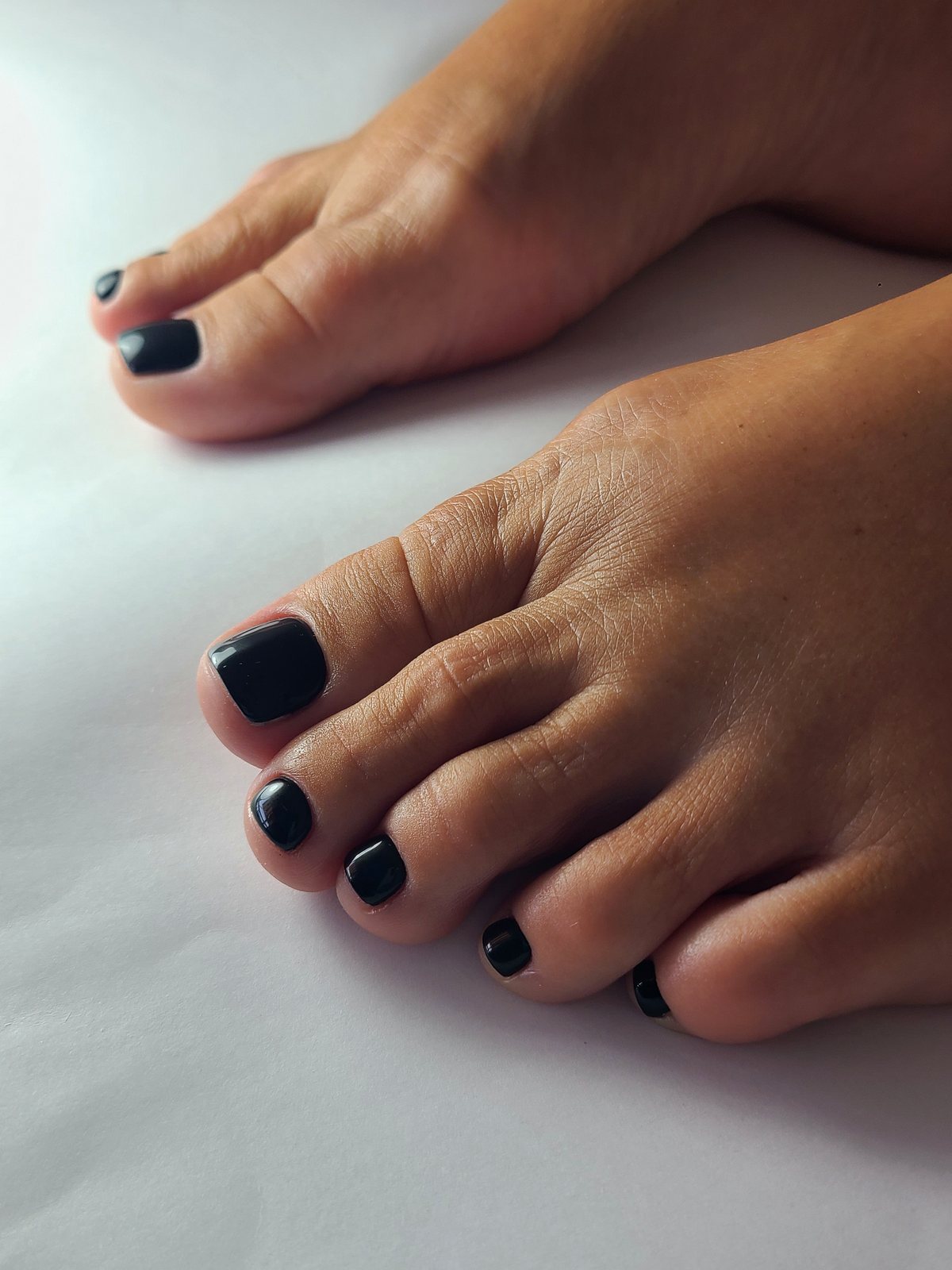
With gel coating on all toes the price is €55. If you only want the visible toes coated — a practical and popular option — it is €45. See gel pedicure for detail.
Why hardware, and why dry
Hardware versus classic pedicure
A classic pedicure softens the feet in water and removes hard skin with blades and files. It works, but it has a ceiling: soaked skin swells, which makes it genuinely difficult to judge how much tissue you are taking off. The result often looks excellent on the day and returns to its previous state within two weeks.
Hardware pedicure uses a professional electric file with a range of bits, working on dry skin. Because the tissue is not swollen the boundary between dead and living skin stays visible, so removal is controlled. It sounds more aggressive than it is — in practice it is the gentler of the two methods, because it removes only what should come off.
Please do not soak your feet before coming
The most common preparation mistake. Arriving with feet that have just had a long bath makes the appointment measurably less effective. Come with clean, dry feet and no polish, and the result lasts longer.
What a pedicure is not. This is a cosmetic and hygienic service, not podiatry. Suspected nail fungus, an infected ingrown toenail, diabetic foot concerns, or any open wound should be assessed by a podiatrist or doctor before a cosmetic appointment. If you describe something when booking that falls outside what I should be treating, I will tell you so rather than take the booking.
Prices
| Service | Time | Price |
|---|---|---|
| Female hygienic pedicureno coating | 60 min | €45 |
| Male hygienic pedicure | 70 min | €50 |
| Pedicure with coatingall toes | 120 min | €55 |
| Pedicure with coating, toes only | 90 min | €45 |
How your appointment works
- Message on WhatsApp Say whether you want coating and mention anything I should know about your feet.
- Confirmation Time, how long to allow, and the exact address at Av. de Federico Soto, 20, 03001 Alicante.
- Come with dry feet, no polish If you have gel on from elsewhere, say so — removal needs its own time.
- Bring or wear open shoes Gel needs no drying time, but regular polish and freshly treated skin both benefit.
- The treatment One client, no overlap with anyone else's appointment.
Foot care between appointments — for this climate
- Urea cream, not body lotion. A foot cream with 10–25% urea softens hard skin chemically rather than sitting on top of it. Body lotion does very little for heels. Apply at night.
- Rinse after the beach. Salt and sand are abrasive and drying. Rinsing and drying properly — including between the toes — prevents a surprising amount of cracking.
- Rotate your sandals. The same pair daily concentrates pressure in the same spots, which builds callus fastest.
- Never cut the nail corners down. Rounding toenail corners is the main cause of ingrown edges. Straight across, always.
- Skip the pumice on wet skin. Scrubbing softened heels removes surface tissue and signals the skin to build more. It is why heels thicken over time in people who do it regularly.
Four to six weeks is a realistic interval. Left longer than about eight, hard skin has usually rebuilt to the point the next appointment needs more time.
Frequently asked questions
How much is a pedicure in Alicante here?
€45 for a hygienic pedicure (€50 for men), €55 with gel coating on all toes, and €45 with coating on the toes only.
What is a hardware pedicure?
Treatment using a professional electric file with interchangeable bits instead of blades. It works on dry skin, is more precise, and typically lasts longer than a classic wet pedicure.
Should I soak my feet first?
No — please don't. Soaking swells the tissue and makes accurate removal harder, which shortens how long the result lasts.
How often should I book?
Every four to six weeks, often at the shorter end through the Alicante summer.
How long does it take?
60 minutes without coating, 120 minutes with gel.
Can you treat an ingrown toenail or fungus?
No. That is podiatry, not cosmetic nail care. See a podiatrist or doctor first.
Is gel on toes worth it?
It generally outlasts gel on hands considerably — four to six weeks is common, which usually aligns with your next pedicure.
Book a pedicure in Alicante
Message on WhatsApp with what you need and I will confirm a time. Monday to Friday, 10:00–20:00.