A professional pedicure is a structured treatment of the whole foot, not just the toenails. It covers callus and hard skin reduction, clearing the nail grooves at each side of the nail, cuticle work, and shaping — with colour as an optional final step rather than the point of the appointment.
At Private Nail Studio a hygienic pedicure takes 60 minutes and costs €45; with gel coating it is 120 minutes and €55. Men's pedicure is €50 over 70 minutes.
The rest of this page walks through what actually happens in the chair, why each stage exists, and where the real difference from home care lies.
The two things a pedicure is doing
Every proper pedicure addresses two separate problems.
The skin. Callus forms where load is repeated — the heel, the ball of the foot, the outer edge, the side of the big toe. It is a protective response, and it is not a flaw. Left unmanaged, though, it thickens to the point where it stops flexing, and thick inflexible skin is what splits.
The nail unit. The nail groove — the narrow channel where the nail plate meets the skin at each side — accumulates dead tissue. That build-up is what produces the persistent feeling of pressure inside a shoe that people often mistake for a nail growing in.
A pedicure that only trims and paints nails has addressed neither.
What happens, stage by stage
1. Assessment before anything is removed
Where the hard skin sits tells you how the foot is being loaded. Callus concentrated under the second and third metatarsal heads suggests weight is being carried forward. A hard rim around one heel edge often points to footwear. This matters because removing callus without noticing the pattern just means it rebuilds in the same place at the same rate.
2. Skin treatment
Hard skin, calluses and rough areas are reduced. Two approaches exist, covered in the next section.
3. Nail groove and cuticle work
The build-up along each side of the nail is cleared, and excess cuticle removed from the plate. This is usually the stage clients notice most immediately — shoes feel different the same day.
4. Nail shaping
Toenails are trimmed straight across, not rounded down at the corners. Rounding the corners is the single most common cause of an edge growing into the skin. Where the plate has thickened, its surface is reduced so it sits comfortably rather than pressing against the top of a shoe.
5. Finishing
Buffing and a moisturising treatment. If you are having coating, gel is applied at this point; without coating the nail is left buffed to a natural matte.
Hardware versus classic: the real difference
A classic pedicure softens the feet in water, then removes hard skin with blades and files.
A hardware pedicure uses a professional rotary file with interchangeable bits, working on dry skin.
The distinction that matters is visibility. Soaked skin swells and turns uniformly pale, which makes the boundary between dead tissue and living tissue genuinely difficult to judge. You either take too little — and the result lasts a fortnight — or too much, and it is tender for days.
Worked dry, that boundary stays visible throughout. Dead tissue has a different colour and texture from the skin underneath, and it dusts away rather than shearing off. Removal is more controlled, and more can be taken safely.
This surprises people, because a rotary tool sounds more aggressive than a blade. In practice it is the gentler of the two, precisely because it removes only what it should.
Why you should not soak your feet beforehand
This is the most common preparation mistake, and it works directly against the treatment. Arriving straight from a long bath means the skin is swollen for the whole appointment, and everything above applies. Clean, dry feet — no polish — give the best result.
How long it takes
A hygienic pedicure without coating takes about an hour. With gel coating, closer to two. If those numbers seem long compared with somewhere you have been before, the difference is almost entirely in the skin and nail groove work rather than in the painting.
Hygienic pedicure or pedicure with coating?
These are two versions of the same treatment, and it is worth knowing which you are booking.
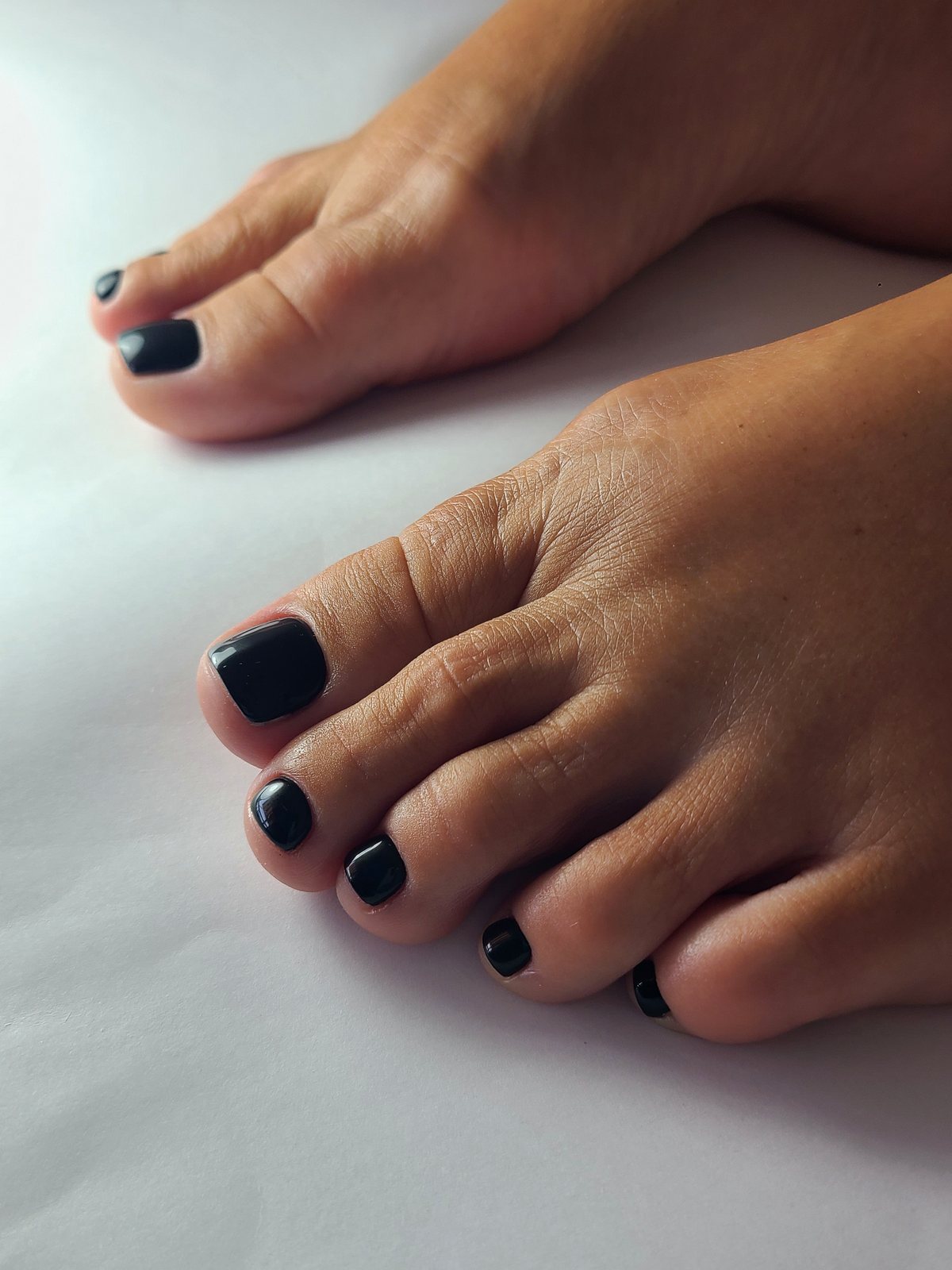
A hygienic pedicure is everything described above with no colour. It is the right choice if your feet need attention rather than decoration, or if you want a break from coating. €45, 60 minutes.
A pedicure with coating is the same work followed by gel polish, cured under a lamp, typically lasting four to six weeks on toenails. €55 for all toes over 120 minutes, or €45 for the visible toes only over 90 minutes.
The skin and nail work is identical either way. Only the finish differs, and the extra time is the coating stage.
How to prepare
- Do not soak your feet beforehand. The most common mistake. Hardware pedicure works on dry skin, and soaked tissue swells so the boundary between dead and living skin becomes hard to judge.
- Arrive with no polish, or say when booking that you have coating on so removal time is added.
- Bring open shoes if you are having colour. The gel is cured hard so there is no drying time, but tight shoes straight afterwards are uncomfortable on freshly worked nail folds.
- Mention anything unusual when booking, not on arrival — a nail that has been sore, a crack that is not closing, any change in colour or thickness.
Aftercare
A urea-based foot cream at night does more than anything else to extend the result. Urea softens hard skin chemically rather than sitting on the surface the way body lotion does. Rotate footwear so load is not concentrated in the same spots, rinse and dry properly after the beach, and trim straight across rather than down into the corners.
Fuller detail in pedicure aftercare.
What a pedicure is not
It is a cosmetic and hygienic service, not podiatry, and the boundary is worth stating plainly. A suspected fungal nail infection, an inflamed or infected ingrown toenail, diabetic foot concerns, or any open wound should be seen by a podiatrist or doctor first. A cosmetic appointment can make some of these worse, and no responsible technician should take the booking.
If you describe something when booking that falls outside what should be treated cosmetically, you should expect to be told so.
What you genuinely cannot replicate at home
Plenty of foot care is self-manageable — moisturising, straight-across trimming, sensible footwear rotation. Two things are not.
The first is the nail groove. You cannot see into it, and instruments used blind in that channel are how minor injuries and infections start.
The second is even reduction across a large callused area. Home files and pumice work on the surface and tend to be used most where the skin is already thinnest, which is why heels often get thicker over time in people who scrub them regularly in the shower.
Booking
Full prices, appointment lengths and what each option includes are on the professional pedicure in Alicante page. For the coated version, see gel pedicure. Timing for each service is broken down in how long a pedicure takes.
Frequently asked questions
What is a professional pedicure?
A structured treatment of the whole foot: callus and hard skin reduction, clearing the nail grooves, cuticle work and shaping, with colour as an optional final step. It is not simply trimming and painting toenails.
How long does a professional pedicure take?
About 60 minutes for a hygienic pedicure without coating, and around 120 minutes with gel coating. Most of that time is skin and nail groove work rather than applying colour.
What does a professional pedicure include?
Assessment of where load and hard skin sit, hardware reduction of callus, clearing of the nail groove at each side of the nail, cuticle work, nail trimming straight across, buffing and a moisturising treatment. Gel coating is optional.
Is a hardware pedicure painful?
It should not be. The rotary file removes only dead tissue, which has no sensation. If a pedicure hurts, too much is being taken or the technique is wrong.
Should I soak my feet before my appointment?
No. Soaking swells the skin and hides the boundary between dead and living tissue, which reduces both precision and how long the result lasts. Come with clean, dry feet and no polish.
How is it different from doing my feet at home?
Two things cannot be done safely at home: clearing the nail groove, which you cannot see into, and reducing callus evenly across a large area. Everything else — moisturising, straight trimming, footwear rotation — is well within reach at home.
If you have never had a professional pedicure and are not sure which option you need, describe your feet in a message and I will tell you honestly what would help most.
Ask about a pedicureService details and prices: Pedicure in Alicante — prices and booking