A professional manicure is nail and cuticle care performed with proper preparation, with colour as an optional final step. The work that matters happens in the two millimetres around the cuticle — that is what decides whether a coating lasts three weeks or six days, and it is what separates a professional appointment from filing and painting at home.
At Private Nail Studio a hygienic manicure takes 60 minutes and costs €25; a manicure with gel coating is 120 minutes, €45 on short nails or €50 on medium length. Men's manicure is €30 over 60 minutes.
What is actually being treated
A manicure addresses the nail plate and the tissue around it. Two structures matter:
The cuticle is the fold of living skin at the base of the nail. It is a seal, and it should be cared for rather than cut away.
The pterygium is different, and it is the one that matters technically. It is a thin, translucent layer of dead tissue that grows out from under the cuticle and adheres to the nail plate itself. You often cannot see it without looking closely.
Removing pterygium is the single most important step in a manicure, and skipping it is the most common reason coatings fail. If base coat is applied over that tissue, it is bonded to something that will shed, not to nail. Within days it lifts at the base, water gets underneath, and the failure spreads.
The stages
- Assessment. Nail condition, plate thickness, any splitting or ridging, and what you actually want from the appointment.
- Softening. The cuticle area is prepared so tissue releases cleanly.
- Cuticle and pterygium removal. The slow part, and the part that determines everything downstream.
- Shaping. Filed to length and shape. Direction matters on brittle nails — sawing back and forth separates the layers at the edge.
- Surface work. Ridges lightly smoothed. This should be minimal; aggressive buffing thins the plate.
- Finish. Either treatment and oil for a hygienic manicure, or preparation and coating if you are having gel.
Combined technique
Three approaches exist in general use.
Manual — hand instruments only. Precise in skilled hands, slower, and gentler on very thin or damaged skin.
Hardware — a rotary file with fine bits for the cuticle area and plate surface.
Combined — the rotary file for the plate and the bulk of the pterygium, then hand instruments for detail at the sidewalls. This is the standard across much of Eastern Europe and increasingly in Spain, and it gives a cleaner cuticle line than either method alone.
The rotary file has a reputation for being aggressive that comes from technique rather than the tool. At the correct speed with the right bit, it removes dead tissue and leaves living skin untouched — it is more precise than nippers, not less. If a manicure hurts, something is wrong with how it is being used.
Hygienic manicure versus manicure with coating
These are different services and it is worth knowing which you want.
A hygienic manicure is everything above with no colour. It is the foundation service, and it is undervalued. If your nails are thin and tired after months of continuous gel, a few weeks bare with the cuticle properly maintained does more good than another layer of product.
A manicure with coating is the same work followed by base, colour and top coat, each cured under a lamp. The coating stage is the short part.
Timing tells you a lot
A hygienic manicure takes about an hour. A manicure with gel coating is realistically a two-hour appointment.
If somewhere is completing a full gel set in forty minutes, the preparation has been compressed — it is always the invisible part that gets cut, because nobody notices it on the day. They notice it on day six.
What good work looks like
Assess a manicure at the base, not the tip.
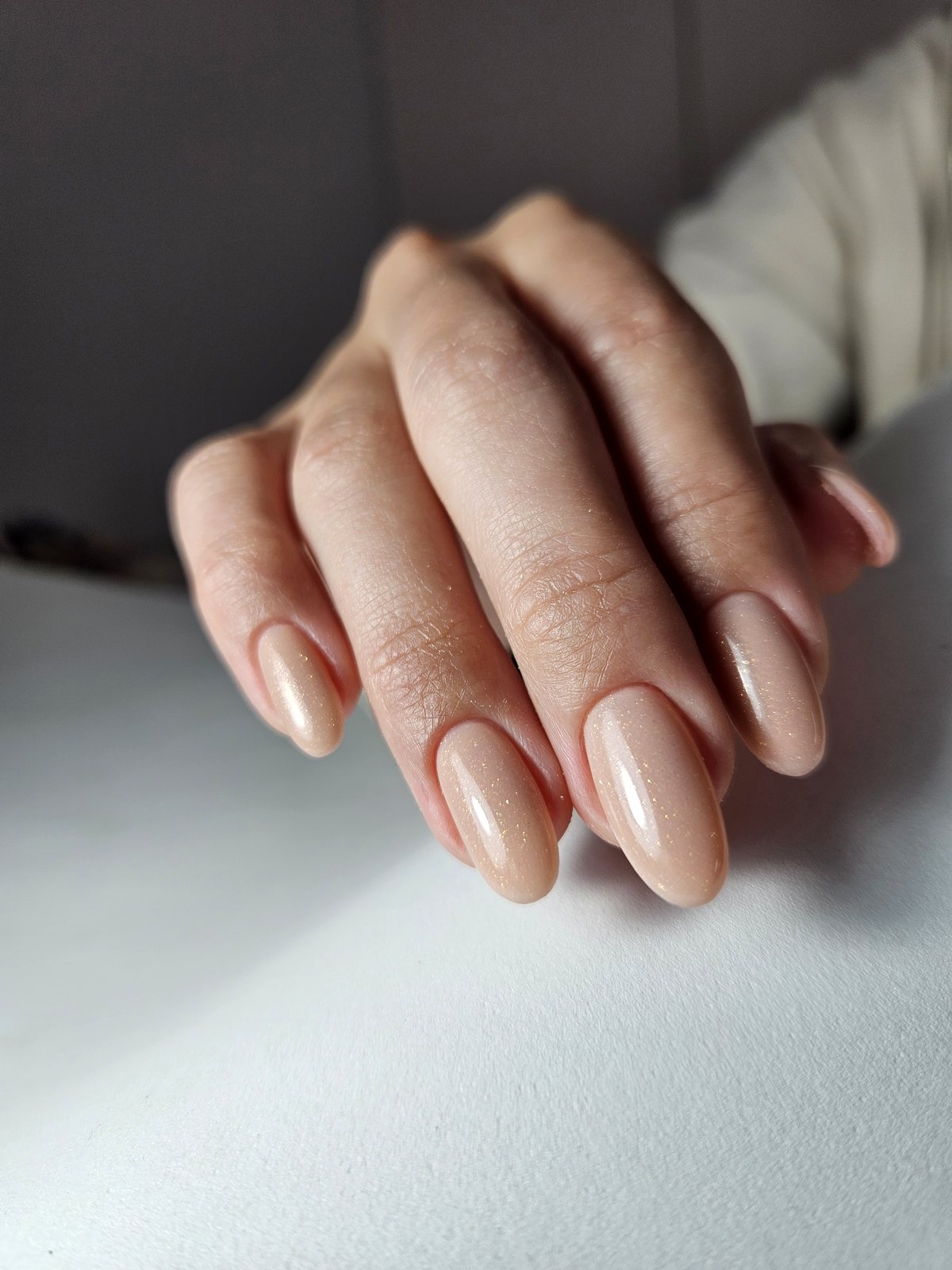
- A clean, even margin between coating and skin — a hairline gap all the way round, not product touching the sidewall
- No visible tissue left on the plate at the cuticle
- Matching sides. Both sidewalls of each nail should mirror each other
- Consistent shape across all ten, viewed from the fingertips
- No soreness. Tenderness at the cuticle afterwards means too much was taken
How to prepare for your appointment
- Skip hand cream immediately beforehand. Oil on the plate at the moment base coat goes on is one cause of coating failing to bond. Cream is fine at any other time.
- Arrive with no coating, or say when booking that you have gel on so removal time is added to the slot. Arriving with old product and no removal booked is the usual cause of a rushed appointment.
- Bring a reference photo if you want a specific colour, French or design. A screenshot settles in seconds what a description often gets wrong.
- Mention anything relevant — a nail that keeps splitting, thin or peeling plates, a previous reaction to a product.
Aftercare
Two habits do most of the work. Cuticle oil daily keeps the nail fold flexible, which reduces lifting at the base and cuts down hangnails. Gloves for washing up and cleaning matter because prolonged hot water with detergent is the fastest way to break a gel seal.
Beyond that: report a lifted edge rather than leaving it, and stop using your nails as tools — that accounts for most single-nail breaks. More detail in how to make a gel manicure last longer.
Hygiene
Metal instruments should be cleaned and sterilised between clients. Files, buffers and orange sticks should be single-use — a new set opened at the start of your appointment.
This is a reasonable thing to ask about, and any studio that takes it seriously will answer plainly rather than deflect.
When to skip the colour
There are genuine cases for a bare nail: after a long uninterrupted run of gel, if the plate feels flexible or looks chalky, or if you have been picking coatings off and the surface needs to grow out. A hygienic manicure keeps the nail tidy while it recovers, and it costs less than a full set.
Booking
Prices, appointment lengths and what each option includes are on the professional manicure in Alicante page. If you want long-wear colour, the gel manicure service covers the same preparation plus coating.
Frequently asked questions
What is a professional manicure?
Nail and cuticle care performed with proper preparation, with colour as an optional final step. The key work is removing pterygium from the nail plate, which is what determines whether a coating holds. A hygienic manicure takes 60 minutes; with gel it is 120.
What is the difference between a manicure and a gel manicure?
A hygienic manicure is nail and cuticle care with no coating, taking about an hour. A manicure with gel is the same work followed by base, colour and top coat cured under a lamp, and is realistically a two-hour appointment.
What is pterygium and why does it matter?
It is a thin layer of dead tissue that grows from under the cuticle onto the nail plate. If coating is applied over it, the product is bonded to tissue that will shed rather than to nail — which is the most common reason gel lifts within days.
Is a hardware manicure safe?
Yes, when done correctly. At the right speed with the right bit, a rotary file removes only dead tissue and is more precise than hand nippers. If a manicure hurts, the technique is wrong rather than the tool.
How do I tell whether a manicure was done well?
Look at the base, not the tip. There should be a clean hairline gap between coating and skin all the way round, no tissue left on the plate, matching sidewalls, and no tenderness afterwards.
If your nails have been through a long run of back-to-back gel and you are not sure what they need, say so in a message. Sometimes the right answer is a hygienic manicure and a few weeks bare.
Ask about a manicureService details and prices: Manicure in Alicante — prices and booking