Before the aftercare advice, the honest part: most early gel failure is decided before you leave the studio. Aftercare is worth days. Preparation is worth weeks. It is useful to know which problem you actually have.
Diagnose it from how it fails
The way a set fails identifies the cause with reasonable reliability.
Lifting at the cuticle
The most common failure and almost always preparation. Pterygium — dead tissue growing from under the cuticle onto the plate — was left in place, so the base coat bonded to tissue that sheds rather than to nail.
You cannot fix this with aftercare. If it happens every time, at every appointment, the preparation is being rushed.
Chipping at the free edge
The tip was not capped. Each layer should be drawn across the underside edge of the nail to seal it. Skipped, the coating peels back from the tip like a sticker.
Partly fixable by keeping nails slightly shorter, but fundamentally an application issue.
Peeling off in a whole sheet
The plate was not properly dehydrated before base coat, or oil or hand cream was on the nail at application. The coating never bonded at all.
Lifting at the sidewalls only
Product touched the skin at the edges. A coating overlapping the sidewall by even half a millimetre lifts there first.
Cracking across the nail
Usually layers applied too thickly. Thick gel cures unevenly, stays soft underneath, and cracks under flex.
What you actually control
Assuming the application was sound, these are worth real days.
1. Cuticle oil, daily
The highest-return habit and the one most often skipped because it seems too small to matter.
A hydrated nail fold is flexible. It moves with the coating instead of pulling against it, which reduces lifting at the base — where sets fail first. It also keeps hangnails down.
Thirty seconds before bed. Consistency matters far more than the product.
2. Gloves for washing up and cleaning
Prolonged hot water is the fastest way to break a gel seal, and detergent accelerates it. Water works into microscopic gaps at the edge, and once it is under the coating, lifting spreads.
This one habit is often worth several extra days on its own.
3. Stop using your nails as tools
Opening packaging, levering lids, scraping labels. This accounts for most single-nail breaks. Coated nails feel strong enough to do it, which is exactly the trap.
4. Report lifting immediately
A lifted edge is not cosmetic. Once water gets underneath, the space is warm, dark and damp. A single-nail repair takes minutes and costs little; leaving it for two weeks does not.
5. Keep length sensible
Length is leverage. Every extra millimetre past the fingertip multiplies force at the stress point. If you break nails repeatedly, the length is fighting your daily life.
Things that make less difference than people think
- Brand of polish. Real differences exist, but they are small next to preparation. A mid-range gel on a properly prepared nail comfortably outlasts a premium one on a rushed nail.
- Top coat refreshing at home. Adds gloss, does nothing for adhesion, and can trap a lift you have not noticed.
- Avoiding hand cream. Fine on the nail once cured. It only matters immediately before application.
- Nail hardeners over gel. They act on the plate, which is already under the coating.
Warm climates specifically
Two local factors are worth knowing if you are in Alicante or anywhere similar.
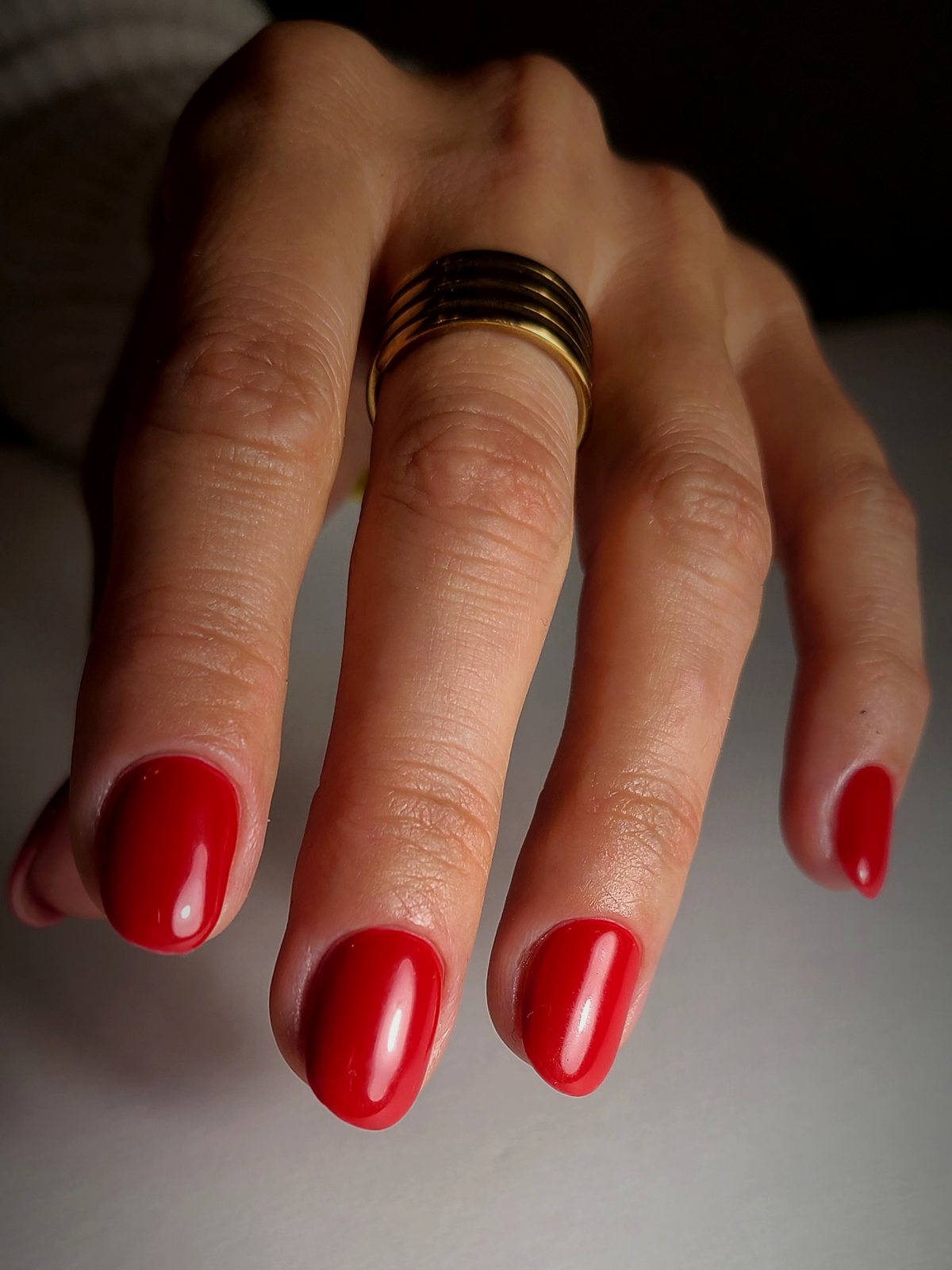
Sun. Strong UV over three weeks can slightly warm certain pigments — most noticeably bright reds and corals. Sunscreen on the hands helps, and is worth doing anyway.
Sea and pool. Cured gel is unaffected by salt or chlorine. What they do affect is the nail fold, which dries out — and a dry, inflexible fold is more prone to lifting at the base. Rinse, dry, and use oil afterwards.
Realistic expectations
Two to three weeks is what a well-prepared gel manicure should give. Beyond three weeks it is usually the regrowth line rather than any failure of the coating that prompts a rebook.
If you are consistently getting under ten days despite doing everything above, the problem is not your aftercare.
Frequently asked questions
Why does my gel manicure keep lifting after a few days?
Almost always preparation. Lifting at the cuticle means dead tissue was left on the plate so the base coat bonded to skin rather than nail. Peeling off in a sheet means the plate was not dehydrated. Neither can be fixed with aftercare.
What is the single best thing I can do to make gel last?
Cuticle oil daily, and gloves for washing up. A hydrated nail fold flexes with the coating instead of pulling against it, and prolonged hot water with detergent is the fastest way to break the seal.
Does the brand of gel polish matter?
Less than people assume. Real differences exist but they are small next to preparation — a mid-range gel on a properly prepared nail will comfortably outlast a premium one on a rushed nail.
Should I apply top coat at home between appointments?
It adds gloss but does nothing for adhesion, and it can seal over a lift you have not noticed, which traps moisture underneath. Better to have a lifted nail repaired.
If your gel consistently fails in the same way each time, that pattern usually identifies the cause. Describe how it fails and I will tell you what it points to.
Ask about early liftingService details and prices: Gel Manicure in Alicante — prices and booking